
Why Affiliate Program Choice Matters
Choosing the right affiliate program is one of the biggest decisions you’ll make as a beginner affiliate marketer. The difference between promoting products from a 2% commission network versus an 8% program can mean an extra $300 to $3,000 per month on the same traffic.
The problem? Most affiliates jump at the first program they find, without understanding commission structures, payment reliability, or audience fit. That’s how you end up burning out after six months with nothing to show.
I’ve tested dozens of affiliate networks since launching Frank Novak, and what separates sustainable income from frustration is clarity. You need to know exactly what you’re signing up for: How much you’ll earn, how fast you’ll get paid, and whether the products actually convert.
Let’s break down the real contenders for 2026.
The Affiliate Programs Comparison
| Program | Commission Rate | Payment Speed | Ease of Use | Rating |
|---|---|---|---|---|
| ClickBank | 10-75% | Bi-weekly | Advanced | ★★★★★ |
| Target Affiliate | Up to 8% | Monthly | Beginner-friendly | ★★★★☆ |
| Amazon Associates | 1-10% | Monthly | Very Easy | ★★★☆☆ |
| ShareASale | 5-30% | Monthly | Intermediate | ★★★★☆ |
| Rakuten Advertising | 1-12% | Monthly | Intermediate | ★★★★☆ |
1. ClickBank: The Clear Winner for High-Ticket Affiliate Income
Our Pick. ClickBank dominates the affiliate space for one reason: it’s built specifically for digital product promotion, where commissions range from 10% to 75% per sale. For someone serious about building predictable income, this is the foundation.
Pros:
- Highest commission rates in the industry (10-75%). A single $297 sale can earn you $75-$220.
- Bi-weekly payouts keep cash flowing into your account faster than most competitors.
- Trusted by affiliate marketers worldwide since 1998. Millions in affiliate commissions paid annually.
- Gravity metric shows which products convert best, eliminating guesswork.
- Your unique tracking links work across any traffic source: blog, email, YouTube, social media.
Cons:
- Steeper learning curve for absolute beginners. You need to understand product selection and traffic strategies.
- Product quality varies. Not all ClickBank products are winners, so vetting is essential.
Best for: Affiliates targeting $500-$5,000+ monthly commissions. Anyone ready to learn structured affiliate marketing tactics.
ClickBank isn’t easy, but it’s the most direct path to meaningful affiliate income. If you’re willing to invest time in learning the fundamentals, the return is substantial. This is what Frank Novak recommends starting with.
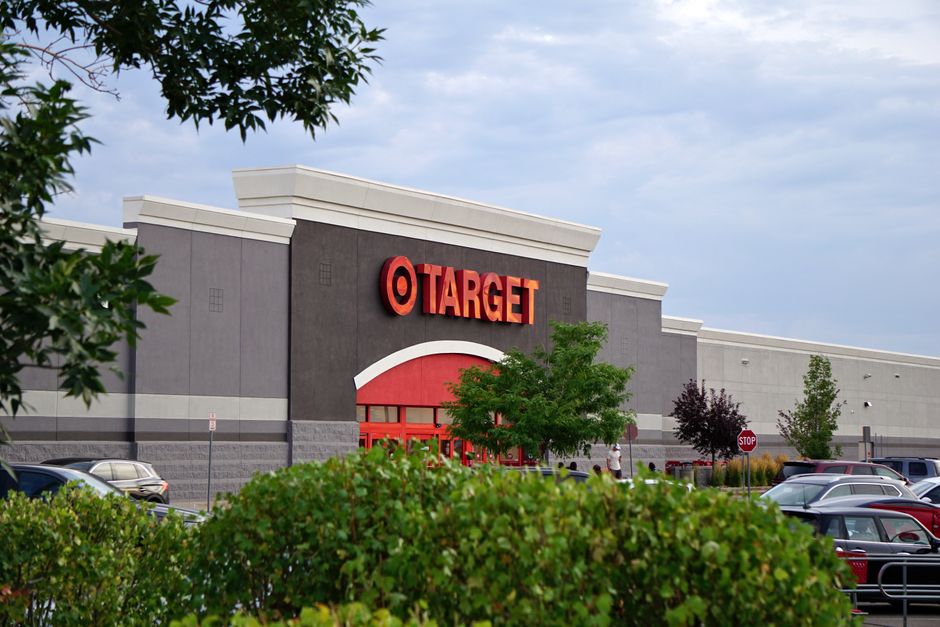
2. Target Affiliate Program: Best for Retail Affiliate Beginners
Target’s affiliate program appeals to content creators and niche bloggers because it’s approachable. Three-step enrollment. No approval delays. Straightforward commission structure.
Pros:
- Simple 3-step signup. Free to join. Most approvals happen instantly.
- Up to 8% commission per qualifying purchase. Higher than Amazon, more predictable than mixed networks.
- Huge product catalog means endless content opportunities across fashion, home, beauty, and tech.
- Geniuslink integration makes it easy to convert raw Target.com links into affiliate-tracked links.
Cons:
- Monthly payouts only. Money moves slower than ClickBank’s bi-weekly schedule.
- 8% max commission is still modest. You need significant traffic volume to reach $1,000+ monthly earnings.
Best for: Beginner bloggers and lifestyle content creators testing affiliate income for the first time. Lower pressure, immediate approval.
Target is a solid entry point if you have existing audience traction (blog, YouTube channel, social following). It’s less risky than ClickBank but also less lucrative. The commission cap at 8% means you’ll need more volume to hit serious income goals.
3. Amazon Associates: Accessible but Low-Reward

Almost everyone qualifies for Amazon Associates. That accessibility masks a fundamental problem: commissions are too low for serious affiliate income.
Pros:
- Easiest approval process. Most people get accepted within days.
- Massive product selection. Amazon has literally everything.
- Strong brand trust. Readers recognize Amazon links and buy without hesitation.
Cons:
- 1-10% commission range, but most categories sit at 1-3%. You need massive volume for real income.
- 24-hour cookie window. If someone clicks your link but buys later, you don’t get credit.
- Account suspension risk. Amazon is aggressive about disabling accounts for alleged policy violations.
Best for: Hobbyist bloggers and content creators not focused on income. It works, but it won’t make you money fast.
4. ShareASale: Solid Middle Ground for Intermediate Affiliates
ShareASale connects you with hundreds of retailers and merchants. It’s a hybrid model: more merchant options than Amazon, higher commissions than most retail programs, but less lucrative than ClickBank.
Related: Best Affiliate Application Programs 2026: Top 5 Ranked
Related: Best Supplement Affiliate Programs 2026: Top 6 Ranked
Related: Best Affiliate Marketing Programs 2026: Top 5 Ranked
Pros:
- 5-30% commission range depending on merchant. Real earning potential on selected products.
- Access to thousands of brands and affiliate programs through a single dashboard.
- Transparent tracking and reporting. You can see real ROI data by merchant.
Cons:
- Setup requires vetting individual merchants. More work upfront than retail-only programs.
- Payment depends on merchant approval. Some brands take weeks to approve you.
Best for: Intermediate affiliates with niche audiences. Works if you’ve already built traffic and trust.
5. Rakuten Advertising: Retail Network with Decent Commissions
Rakuten owns a massive affiliate network and pushes 1-12% commissions across thousands of retail partners.
Pros:
- Wide merchant range. Access to brands across fashion, electronics, home, and more.
- Competitive commissions on select merchants (up to 12%).
- Reliable payouts. Rakuten is a public company with solid payment history.
Cons:
- Average commission hovers around 1-3%. Top rates are rare.
- Interface feels dated compared to newer affiliate platforms.
Best for: Established bloggers with consistent traffic. Not a starter program.
Which Program Should You Actually Start With?
Here’s the real talk: your first choice depends on what you have right now.
If you have an audience: Start with ClickBank. Higher commissions mean faster income. You already have traffic and trust. Put it to work on products with 10-75% payouts. This is where the money is.
If you’re building an audience: Start with Target Affiliate or Amazon Associates. Low barrier to entry. You’ll earn something while you grow. Once you hit meaningful traffic, migrate to ClickBank products in your niche.
If you’re testing the space: Target Affiliate is your sweet spot. Easier than ClickBank, better commissions than Amazon, and beginner-friendly setup.
The mistake most beginners make is spreading too thin. They sign up for five programs at once and promote nothing consistently. Pick one. Master the traffic and conversion process. Then layer in complementary programs.
I’ve written a lot about this at Frank Novak, including step-by-step frameworks for vetting products and matching them to your audience. If you’re serious about affiliate income, that’s where to start learning the fundamentals.
Want results like these?
How to Maximize Earnings Across Any Program

Commission rate only tells half the story. Three factors determine real earnings:
1. Product-Audience Fit Your audience needs to actually want what you’re promoting. A $297 ClickBank course at 75% commission earns nothing if nobody clicks. A $19 Target product at 8% commission earns consistently if it matches audience interests.
2. Traffic Volume Most affiliates underestimate this. You need 100+ clicks per week to a specific offer just to see meaningful conversions. Your strategy should focus on building this traffic first, then optimizing conversion rates.
3. ROI Tracking Frank Novak emphasizes real data over guesses. Every affiliate program provides tracking links and reporting dashboards. Use them. Know which offers convert, which traffic sources work, and which audiences spend money. This data guides your next move.
According to research from Forbes on affiliate marketing trends, the top 10% of affiliates earn 90% of commission payouts because they focus on these three fundamentals relentlessly. They’re not lucky. They’re systematic.
Common Mistakes That Kill Affiliate Income
Mistake 1: Joining Too Many Programs Spreading yourself across 10 programs means you’re not building real expertise in any of them. Pick one. Get good. Scale it.
Mistake 2: Promoting Low-Converting Products Not all ClickBank products are good. Not all Target links sell. Your job is to test and eliminate losers fast. Run small campaigns. Measure conversions. Kill what doesn’t work. Reinvest in what does.
Mistake 3: Ignoring Payment Terms Bi-weekly vs. monthly vs. quarterly payouts matter less than reliability. ClickBank pays reliably. Amazon occasionally suspends accounts. Know the risks before you build a business on any platform.
Mistake 4: Not Building Your Own Audience Relying solely on affiliate links in paid ads or other people’s platforms is fragile. Build a blog, email list, or YouTube channel. You own that traffic. That’s your business.
Next Steps: Building Your Affiliate Strategy
If you’re ready to move beyond reading comparisons and actually start earning commissions, here’s the sequence:
- Choose your affiliate program based on your current situation (audience size, niche, time commitment).
- Select 2-3 products to test. Get your tracking links set up.
- Create content around those products. Blog posts, YouTube videos, email campaigns, social posts.
- Drive traffic to that content. Organic (SEO, social) or paid (Google Ads, Facebook Ads).
- Track conversions obsessively. Which products convert? Which traffic sources work? Which audiences buy?
- Double down on what works. Cut what doesn’t.
This process takes 60-90 days to show real data. Most affiliates quit in week three because they expected overnight results. Patience and systems beat hype every time.
For a deeper framework on audience targeting and product vetting, check out the step-by-step affiliate strategies on Frank Novak. The core principles are the same whether you’re promoting via ClickBank, Target, or any other network.
FAQs
Can I use multiple affiliate programs at once?
Yes, but strategically. Start with one program until you have consistent earnings and a clear understanding of what converts. Then layer in complementary programs. For example, promote high-ticket ClickBank courses to your email list while recommending Target home products on your lifestyle blog. The key is not spreading so thin that you lose focus. Most beginners fail because they’re running five programs with no expertise in any of them.
How much traffic do I need to make $500 per month in affiliate commissions?
It depends on conversion rate and average commission. If you’re promoting a $100 ClickBank product at 50% commission, you earn $50 per sale. At a 1% conversion rate (industry average), you need 10,000 monthly visitors. At 2% conversion, you need 5,000. Start by figuring out your target product, checking its conversion rate, and working backward. Then build traffic to match.
Which affiliate program pays fastest?
ClickBank pays bi-weekly. Target, Amazon, ShareASale, and Rakuten pay monthly. If cash flow speed matters to you, ClickBank wins. That said, I’d rather earn 10% monthly from a reliable program than rush for bi-weekly payments from a lower-earning network. Focus on the commission rate first, payment speed second.
Is ClickBank risky? I hear people get banned.
ClickBank doesn’t ban affiliates lightly, but they do take action against spammers, fraudsters, and policy violators. If you’re promoting honestly, driving real traffic from real audiences, and following their terms, you’re fine. The affiliates who get banned are usually running black-hat tactics: buying cheap email lists, using deceptive landing pages, or promoting fake reviews. Do the work right, and you won’t have a problem.
Want results like these?