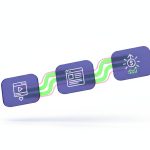

An affiliate system is basically a commission-based framework where you promote someone else’s product and earn money every time a customer buys through your unique link. Think of it as getting paid to recommend stuff you already believe in.
Here’s the honest part: most people hear “affiliate marketing” and think it’s some passive income pipe dream. It’s not. But it’s also not rocket science. If you set up your affiliate system the right way, you can turn a small amount of effort into consistent, predictable commissions.
Related: Recurring Income Affiliate Marketing Programs: 2026 Guide
Related: Best High-Ticket Affiliate Marketing Examples for 2026
Related: How to Maximize Affiliate Commission in 2026
Let’s break down exactly how to build one that works.
How an Affiliate System Actually Works
An affiliate system has three core parts: you (the affiliate), the merchant (whoever’s selling the product), and the customer.
Here’s the flow:
- You get a unique tracking link from the merchant or affiliate network
- You share that link with your audience through content, email, or social media
- When someone clicks and buys, the system tracks it back to your link
- You earn a commission (usually 10-50% depending on the product)
The beauty is that the merchant handles customer service, payment processing, and delivery. You just drive the traffic and promote the right products to the right people.
The real game-changer in 2026 is that affiliate systems are now built directly into platforms like Systeme.io, meaning you can set up tracking, commissions, and payouts in minutes instead of weeks. No clunky third-party software required.
Why You Need a Proper Affiliate System (Not Just Random Links)
I see beginners make this mistake all the time: they throw affiliate links everywhere and wonder why nothing converts.
A real affiliate system is strategic. It includes:
- A vetted product list – only promoting offers that actually solve your audience’s problems
- Tracking and analytics – knowing which links convert, which don’t, and why
- A promotion strategy – specific channels and content angles that work for your niche
- Consistent messaging – your audience hears the same value prop repeatedly across email, blogs, and social
When you combine these pieces, you stop throwing spaghetti at the wall. Instead, you’re running a real business with predictable numbers.
ClickBank and similar networks are where most beginners start because the commissions are fat (often 50-75% on digital products). But Frank Novak focuses specifically on helping you pick the right ClickBank products, structure your promotions correctly, and avoid the common ban-worthy mistakes that sink most affiliates in their first 90 days.
The Most Profitable Niches for Affiliate Systems in 2026
Not all niches are created equal. Some affiliate systems generate $100 a month. Others generate $5,000+.
The difference usually comes down to niche selection and buyer intent.
Right now, these are crushing it:
- AI & Automation Software – Business owners are desperate to adopt AI. High-ticket offers. Repeat commissions.
- Personal Finance & FinTech – People want to save money, invest smarter, and manage debt. Proven buyer intent.
- Health, Wellness & Longevity – Weight loss, supplements, fitness memberships. Evergreen demand with high conversion rates.
- Remote Work & Home Office Solutions – Still growing as people solidify hybrid work. People invest in their setup.
- Digital Education & E-Learning – Courses, certifications, skill-building. High commissions on digital products.
- Eco-Friendly & Sustainability Products – Growing segment. Conscious consumers spend more and buy repeatedly.
- Pet Care – Pet owners spend crazy money on their animals. Almost recession-proof.
- Home Improvement & Smart Home Tech – DIY and tech-savvy audiences with real budgets.
The pattern? Pick a niche where people already have money to spend and are actively searching for solutions. Avoid oversaturated, low-intent niches where the affiliate commissions are razor-thin.
Building Your Affiliate System: The Setup Process

Here’s the step-by-step breakdown:
Step 1: Choose Your Niche and Audience
Don’t pick a niche because it’s trendy. Pick one where you have some knowledge or genuine interest. Your audience will sense if you’re faking it, and trust evaporates fast.
Step 2: Research and Vet Products
This is critical. Go through ClickBank, explore what competitors are promoting, and test products yourself if possible. You’re looking for:
- Legitimate, high-quality offers
- Products that actually help the customer (not scams)
- Commission rates that make your effort worth it (50%+ is the baseline for digital products)
- Merchants with solid refund rates and customer reviews
Step 3: Set Up Your Tracking and System
Use a platform that gives you clean, real-time tracking. You need to know which products convert, which traffic sources work best, and where your customers are coming from. Systeme.io handles this seamlessly if you’re building your own affiliate program, or you can use ClickBank’s native dashboard for their offers.
Related: Best Free Traffic Sources for Affiliate Marketing in 2026
Step 4: Create Content That Promotes (Without Being Pushy)
This is where most affiliates fail. They write product reviews that sound like infomercials. Instead, write content that solves problems first and mentions your affiliate product as the solution.
Blog posts, YouTube videos, email sequences, and social media content are your main channels. The key is consistent value delivery before you ask for the sale.
Step 5: Build Your Traffic Channels
You need multiple ways to reach your audience. Social media is essential in 2026 – it’s where your niche is hanging out. SEO is also critical for long-term, consistent traffic. Email is the channel that converts best, so build that list from day one.
If you want an in-depth breakdown on picking the right products and structuring your promotions for maximum conversions, Frank Novak has detailed guides on exactly this.
Want results like these?
The Numbers: What a Real Affiliate System Looks Like
Let’s talk reality, because I hate hype.
A beginner affiliate system might generate 2-5 sales a month. At $500-$1,000 per commission, that’s $1,000-$5,000 monthly income. After 3-6 months of consistent effort.
An intermediate affiliate system (with better traffic, refined messaging, and multiple products) can hit 20-50 sales monthly. That’s $10,000-$50,000.
The difference isn’t luck. It’s:
- Smarter product selection
- Better audience targeting
- Consistent content production
- Testing and optimization
- Building an email list (this is your money maker)
The key metric you need to obsess over is your conversion rate. If 100 people click your link and only 1 buys, you’re at a 1% conversion rate. If you can push that to 2-3%, your income doubles or triples without working harder. Small changes in conversion = huge changes in income.
Common Mistakes That Tank Affiliate Systems
I see these over and over:
Promoting Too Many Products
Your audience gets confused. Pick 3-5 solid products and become known for recommending those. Build a reputation as someone who actually vets products instead of selling everything.
No Audience Trust
You need an email list and consistent content before you promote anything. If you’re brand new with zero following, your affiliate link won’t generate sales. Build the audience first. Promote second.
Ignoring Platform Terms of Service
ClickBank bans affiliates every day for spammy tactics (fake reviews, misleading ads, paid traffic violations). Follow the rules. Your long-term income depends on it.
Bad Product Selection
Promoting low-quality offers tanks your credibility and conversion rates. A high-ticket, legitimate product always outperforms a cheap scammy offer.
No Follow-Up
Most people need to see your message 5-7 times before they buy. Email sequences and retargeting are where the real money is.
If you’re looking to avoid these pitfalls and build a system that actually generates income, Frank Novak breaks down the specific frameworks for product vetting, traffic generation, and sustainable affiliate income in one place.
Social Media & SEO: How Affiliate Systems Scale in 2026
The game has shifted. Paid ads are expensive and risky for beginners. Organic reach is where it’s at.
Social media (TikTok, Instagram, YouTube) is critical for visibility. You’re building an audience that trusts you, then promoting to that audience. Each post, video, or email is a chance to drive traffic to your affiliate links.
SEO is the slow-burn strategy. A blog post that ranks for the right keyword can generate sales for years. Write once, get paid many times.
The affiliates making real money in 2026 are doing both. They’re creating short-form content for social reach and long-form content for SEO authority. They’re building email lists because email is still the highest-converting channel by far.
According to Forbes’ analysis on email marketing effectiveness, email remains one of the highest ROI channels for marketing. That’s why serious affiliates prioritize list building over everything else.
When to Invest in Tools vs. DIY
You don’t need expensive software to start. Email (Gmail works fine), a blog (WordPress is free), and ClickBank (also free) are all you need on day one.
Related: Best ClickBank Affiliate Marketing Strategy for 2026
Related: Best Ecommerce and Affiliate Marketing Strategy for 2026
As you scale and hit 1,000+ monthly sales, then you upgrade to paid tools for better tracking, automation, and analytics.
The mistake beginners make is spending $500+ on software before they’ve made their first $500 in affiliate commissions. Start lean. Prove the model works first. Scale with tools later.
What makes an affiliate system different from just posting links randomly?
A real affiliate system has strategy, tracking, and consistency. You’re promoting specific products to a specific audience through planned channels with measurable results. Random link posting is just hoping. Systems are predictable.
How long does it take to start earning money from an affiliate system?
Most people see their first sale in 30-90 days if they’re consistent. Serious income ($1,000+/month) typically takes 3-6 months of regular content creation and audience building. It depends on your traffic, audience size, and how well your products match buyer intent.
Can you run an affiliate system without an email list?
Technically yes, but it’s harder. Social media and blog traffic can generate sales. But email is your money-maker because you own that relationship. People on your email list convert at 2-3x the rate of random social media visitors. Build the list from day one.
What’s the difference between promoting on ClickBank vs. building your own affiliate program?
ClickBank is faster to start (products pre-vetted, commissions ready to go). Building your own affiliate program gives you more control, higher margins, and deeper audience relationships. Most successful affiliates do both.
Want results like these?